
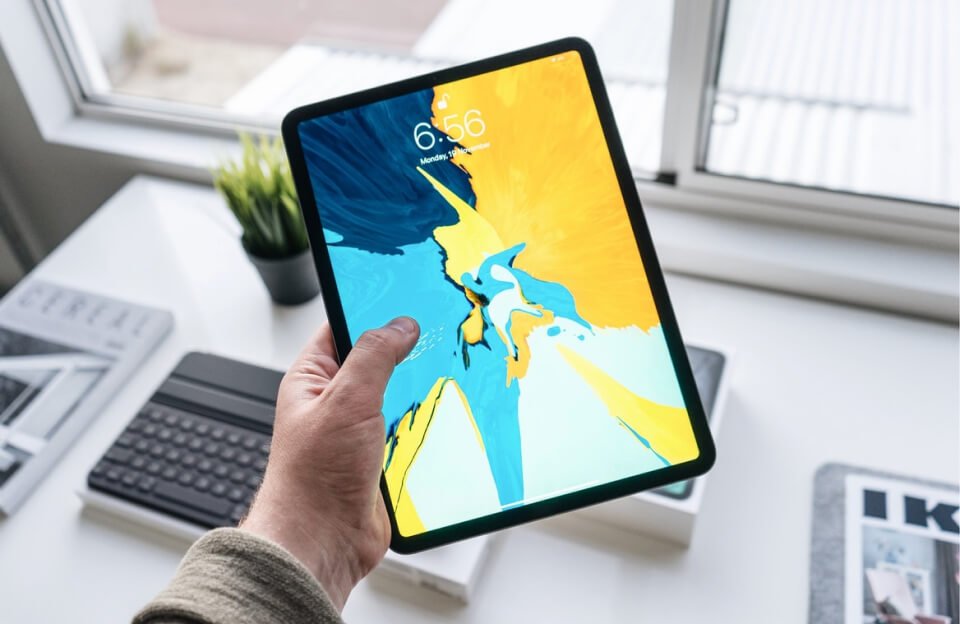
Technology has become a natural part of how people think, work, learn, and create. A smartphone, tablet, laptop, camera, drawing tablet, or even a small digital device can do much more than perform a technical task. In the right hands, a gadget can become a tool for turning an idea into something real.
Creativity has always existed without technology. People have written stories with pencils, painted on paper, built objects by hand, and created music with simple instruments. What modern gadgets change is the speed and flexibility with which those ideas can be explored.
A useful gadget does not create an idea for us. Instead, it can give that idea more ways to develop.
Gadgets Give Ideas a Place to Start
One of the hardest parts of creativity is getting an idea out of your head.
Someone may imagine a product, a photograph, a piece of music, a business concept, or a story but struggle to express it. Digital gadgets can reduce that barrier.
A person with a tablet can quickly sketch an idea. A smartphone can capture an interesting scene. A laptop can turn notes into an article or a rough concept into a presentation. A voice recorder can preserve an idea before it disappears.
This makes creativity feel more accessible. People do not always need a professional studio or expensive equipment to begin experimenting.
Technology Makes Experimentation Easier
Creativity usually involves trial and error.
A designer may create several versions of an image before finding the right one. A writer may rewrite the same paragraph multiple times. A photographer may experiment with different angles, lighting, and compositions.
Digital gadgets make these experiments easier because mistakes can often be reversed.
A creator can duplicate a file, test another approach, change an image, rearrange content, or return to an earlier version without starting completely from scratch. That freedom encourages experimentation.
When the cost of making a mistake becomes smaller, people may become more willing to try unusual ideas.
Gadgets Can Turn Everyday Moments Into Creative Opportunities
Creativity does not always happen while sitting at a desk.
A person might notice an interesting building while walking through a city, hear an unusual sound on the street, or suddenly think of a solution while traveling. Smartphones and other portable devices allow people to capture these moments immediately.
A quick photograph can become the beginning of a design project. A short note can become an article. A recorded conversation can inspire research. A voice memo can preserve an idea for a song.
The gadget becomes a bridge between inspiration and action.
Digital Tools Expand What One Person Can Create
In the past, creating certain types of work often required specialized equipment and several people.
Today, a single person can combine writing, photography, video, audio, design, research, and publishing using a collection of digital tools.
For example, a creator might use a smartphone to record footage, a computer to edit it, software to improve the sound, and an online platform to publish the final work.
This does not eliminate the importance of creative skill. Instead, it gives individuals more control over the creative process.
Gadgets Also Encourage Collaboration
Creativity becomes even more powerful when ideas are shared.
Cloud-based applications, messaging platforms, video calls, digital whiteboards, and collaborative documents allow people in different locations to work on the same project.
A designer can share a concept with a writer. A researcher can exchange findings with a data analyst. A filmmaker can work with an editor who lives in another city.
The gadget is no longer simply a personal device. It becomes a connection point between different perspectives.
That exchange can lead to ideas that one person might not have developed alone.
AI Is Adding Another Layer to Digital Creativity
Artificial intelligence is also changing how people interact with creative technology.
AI-powered tools can help users brainstorm ideas, organize information, generate drafts, analyze patterns, edit media, or explore different possibilities. The technology can act as a creative assistant rather than replacing the person behind the idea.
The important distinction is that human judgment still matters.
A tool can produce possibilities, but the creator decides which direction is useful, meaningful, accurate, or original. Human experience, curiosity, emotion, and personal perspective remain important parts of the creative process.
Too Much Technology Can Also Become a Distraction
The relationship between gadgets and creativity is not always positive.
Constant notifications, social media feeds, entertainment apps, and information overload can make it difficult to concentrate. Instead of helping someone develop an idea, a device can continuously interrupt the thinking process.
Creative work often requires periods of quiet attention.
For that reason, using technology creatively also means knowing when to put the device aside. Sometimes the best idea appears during a walk, a conversation, or a quiet moment away from a screen.
The goal is not to use technology constantly. The goal is to use it intentionally.
The Future of Creative Gadgets
As devices become more capable, the boundary between imagination and execution will continue to shrink.
Future gadgets may offer more natural ways to create through voice, movement, augmented reality, artificial intelligence, and other interfaces. Instead of learning complicated software before starting a project, people may be able to communicate their ideas more directly.
This could allow more people to experiment with creative work.
However, better technology will not automatically produce better creativity. The most important ingredient will still be curiosity—the willingness to ask questions, explore possibilities, make mistakes, and try again.
Final Thoughts
A gadget is ultimately a tool. Its creative value depends on how a person uses it.
The same smartphone can be used to scroll endlessly or capture an extraordinary photograph. A laptop can become a source of distraction or a workspace for writing a book. A tablet can simply display content or become a digital canvas.
Technology does not replace human creativity. At its best, it gives creativity more room to move.
The real power of a gadget is not the number of features it contains. It is the possibility that those features can help someone take an idea from imagination and turn it into something others can see, hear, read, or experience.
Frequently Asked Questions
1. How can gadgets improve human creativity?
Gadgets can make it easier to capture ideas, experiment with different approaches, edit creative work, and turn concepts into finished projects. They provide flexible tools that support the creative process.
2. Which gadgets can be useful for creative work?
Smartphones, laptops, tablets, digital cameras, drawing tablets, and audio-recording devices can all support creativity. The best gadget depends on the type of work a person wants to create.
3. Can technology replace human creativity?
No. Technology can assist with brainstorming, editing, designing, and experimenting, but human imagination, experience, judgment, and emotion remain central to creative work.
4. Can gadgets negatively affect creativity?
Yes. Constant notifications, social media, and excessive screen time can interrupt concentration and reduce the time available for deep thinking. Using gadgets intentionally can help maintain a healthier creative process.