
Customer behaviour is never constant. People’s interests, expectations, shopping habits, and purchasing decisions continue to change with time. A product that attracts customers today may not receive the same attention tomorrow. Similarly, customers who once preferred traditional shopping may gradually move towards online platforms because of convenience and better choices.
For businesses, keeping up with these changes is not always easy. Understanding what customers want, what influences their decisions, and why their preferences change requires more than simply observing sales figures.
This is where data analytics plays an important role. It allows companies to study customer activities, identify meaningful patterns, and understand the reasons behind changing preferences. Instead of making decisions based on assumptions, businesses can use real information to improve their strategies and deliver experiences that better match customer expectations.
Why Customer Behaviour Is Changing
Customer behaviour changes for several reasons. New technologies, social media trends, economic conditions, lifestyle changes, and increasing product choices all influence how people make decisions.
For example, customers today often compare multiple products online before making a purchase. They may read reviews, check prices, watch product demonstrations, and explore different brands before choosing one.
These activities provide businesses with valuable information about customer interests and expectations.
Companies that understand these changes can adjust their products, services, and communication strategies to remain relevant in the market.
1. Understanding Customer Preferences Through Data
Every interaction between a customer and a business can provide useful insights. Website visits, product searches, purchase history, customer reviews, and support enquiries can reveal what people are interested in.
Data analytics helps companies bring this information together and identify common patterns.
For instance, an online retailer may notice that customers frequently search for a particular product category but rarely complete their purchases. By examining this behaviour, the company can investigate whether pricing, product descriptions, delivery charges, or other factors are affecting purchasing decisions.
Understanding these patterns helps businesses make decisions that are more closely connected to actual customer needs.
2. Recognising Changes in Buying Patterns
Customer purchasing habits can change gradually or unexpectedly. Seasonal demand, new competitors, changing budgets, and emerging trends can all influence buying decisions.
Data analytics allows companies to compare purchasing activities across different time periods. This makes it easier to recognise which products are becoming popular and which are gradually losing customer interest.
For example, a clothing business may observe an increase in demand for comfortable everyday clothing rather than formal wear. This information can help the business adjust its inventory and promotional activities.
Recognising these changes early allows companies to respond more effectively instead of waiting until declining sales become a serious problem.
3. Delivering More Personalised Customer Experiences
Customers are more likely to engage with businesses when the products, services, and communication they receive match their interests.
Data analytics helps companies understand individual preferences by examining previous purchases, browsing behaviour, and interactions with marketing campaigns.
Based on these insights, businesses can recommend relevant products, share suitable offers, and create more meaningful communication.
For example, an online shopping platform may recommend products based on a customer’s previous purchases or recently viewed items. This saves time for customers and makes the shopping experience more relevant.
However, personalisation should always respect customer privacy and preferences.
4. Identifying Why Customers Lose Interest
Attracting customers is important, but understanding why they stop engaging with a business is equally valuable.
Some customers may stop purchasing because of high prices, poor customer support, complicated checkout processes, or better alternatives offered by competitors.
Data analytics helps companies investigate these situations by studying customer feedback, purchase frequency, website activity, and engagement levels.
For example, if a business notices that many customers abandon their shopping carts before completing payment, it can examine the checkout process to identify possible difficulties.
By addressing these problems, companies can improve customer experiences and reduce unnecessary customer losses.
5. Using Predictive Analytics to Understand Future Needs
Understanding current customer behaviour is useful, but businesses also need to prepare for future changes.
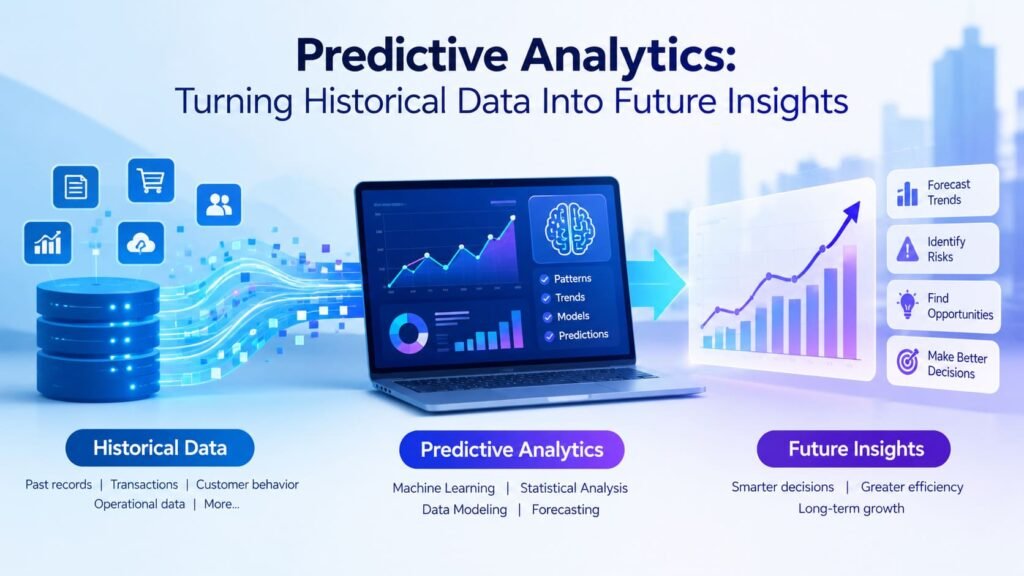
Predictive analytics uses historical information, statistical methods, and analytical models to identify possible future customer trends.
For example, a retail company can examine previous festive-season sales to estimate which products may experience higher demand in the coming months.
Similarly, subscription-based businesses can study customer activity to identify patterns that may indicate a risk of cancellation.
These insights help companies plan marketing campaigns, manage resources, and prepare for changing customer expectations.
Although predictions cannot guarantee future behaviour, they provide businesses with a more informed starting point for decision-making.
6. Improving Marketing Strategies With Customer Insights
Not every marketing campaign connects with every customer. Some people respond to email promotions, while others engage more with social media content, online advertisements, or personalised recommendations.
Data analytics helps businesses understand which marketing channels and messages generate meaningful customer engagement.
Companies can examine email open rates, website traffic, conversion rates, campaign responses, and customer interactions to evaluate their marketing performance.
For example, if a business discovers that customers respond more positively to educational content than promotional messages, it can adjust its future content strategy accordingly.
This helps companies use their marketing budgets more effectively and communicate with customers in ways that are more relevant to their interests.
7. Building Long-Term Customer Relationships
Customer relationships do not end after a purchase. Businesses need to understand how customers feel about their products and services even after completing a transaction.
Customer feedback, repeat purchases, support requests, and satisfaction surveys can help companies understand whether they are meeting customer expectations.
Data analytics makes it easier to identify recurring concerns and areas where improvements are needed.
For example, if customers frequently report delays in receiving support, a company can review its service process and introduce improvements.
When businesses respond to customer needs and concerns, they create better experiences and build stronger relationships over time.
Challenges of Using Data Analytics to Understand Customers
Although data analytics offers several advantages, companies may face challenges when collecting and analysing customer information.
Some common challenges include:
- Poor Data Quality: Incomplete, outdated, or inaccurate information can affect the reliability of analytical results.
- Data Privacy: Businesses must handle customer information responsibly and follow relevant privacy regulations.
- Changing Customer Preferences: Customer interests can change quickly, making older information less relevant.
- Data Interpretation: Collecting information is not enough. Businesses need the right analytical approach to understand what the data actually reveals.
- Disconnected Data Sources: Customer information stored across different platforms can make it difficult to develop a complete understanding of customer behaviour.
Addressing these challenges helps businesses make better use of their data and develop more reliable customer insights.
Conclusion
Understanding customer behaviour is an ongoing responsibility for every business. Customer expectations, purchasing decisions, and preferences continue to evolve, making it important for companies to regularly review how people interact with their products and services.
Data analytics provides businesses with a clearer picture of these changes. It helps them recognise customer interests, understand purchasing patterns, identify problems, and prepare for future expectations.
However, the real value of data analytics is not simply collecting more information. It comes from understanding customer needs and using those insights to make meaningful improvements.
Companies that pay attention to customer behaviour and make informed decisions are better prepared to deliver relevant experiences, build customer trust, and maintain stronger relationships in an evolving market.
Frequently Asked Questions (FAQs)
1. How does data analytics help companies understand customer behaviour?
Data analytics helps companies study customer purchases, browsing activities, feedback, and interactions to identify preferences, interests, and changing expectations.
2. Why is understanding changing customer behaviour important?
It allows businesses to improve their products, adjust marketing strategies, deliver relevant experiences, and build stronger customer relationships.
3. Can data analytics predict future customer preferences?
Yes. Predictive analytics examines historical information and current customer patterns to estimate future interests, purchasing habits, and potential changes in demand.
4. What types of data are used to analyse customer behaviour?
Businesses use purchase history, website visits, customer feedback, social media interactions, search activities, and marketing engagement data to understand customer behaviour.