Lucas Bennett

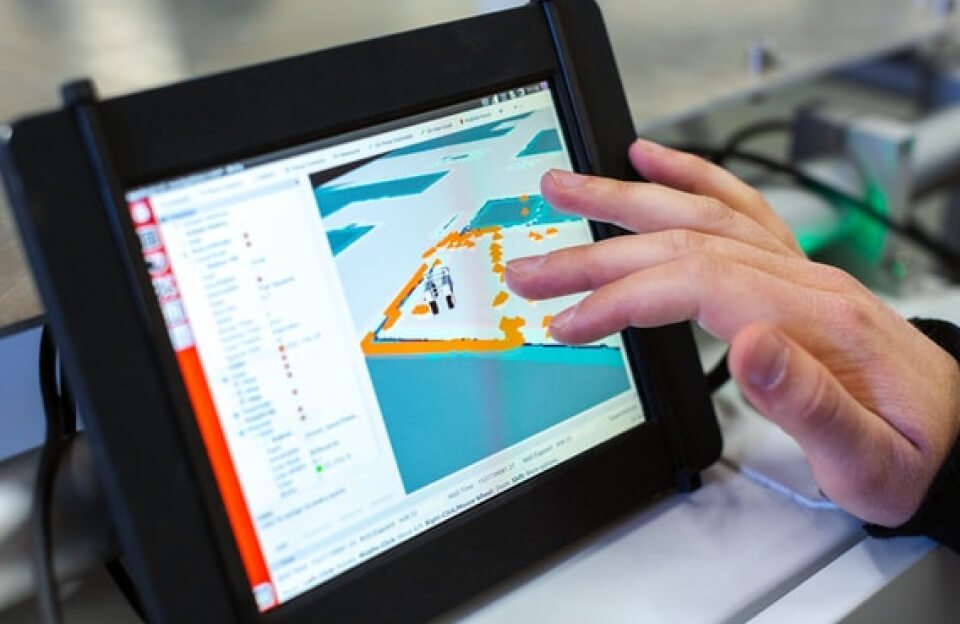
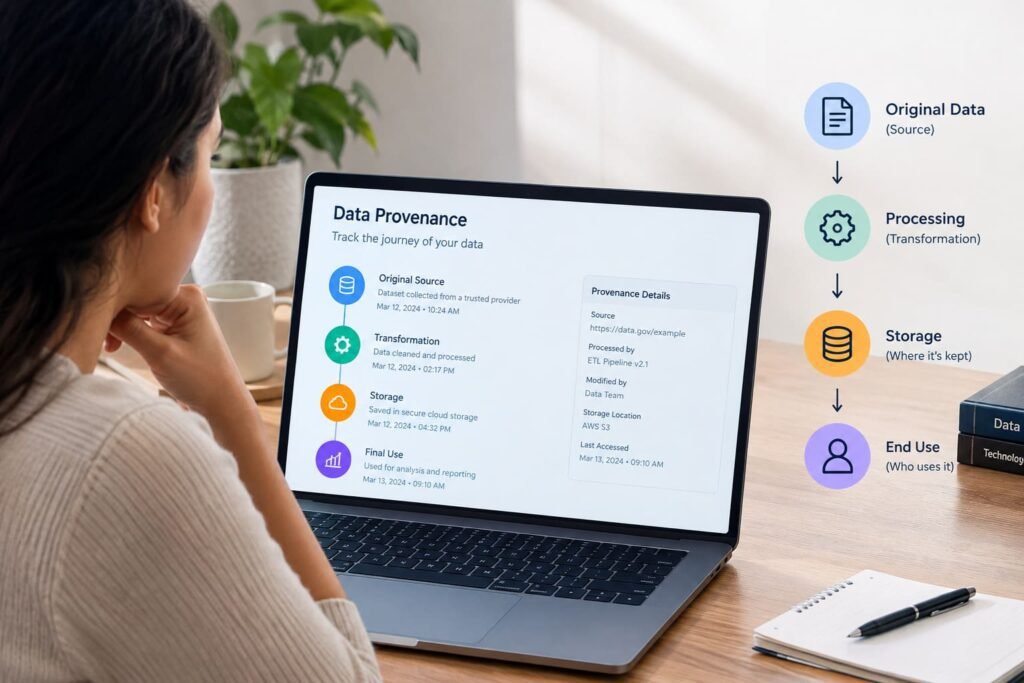
Data analyst tracking data provenance and tracing information sources through connected databases

Data Provenance: How to Track Where Information Comes From

Every day, organizations collect information from websites, applications, customer databases, sensors, surveys, and many other sources. But collecting data is only one part of the process. To trust that information, people also need to understand where it came from, how it changed, and how it reached its current destination. This is where data provenance becomes

Data Provenance: How to Track Where Information Comes From Read More »
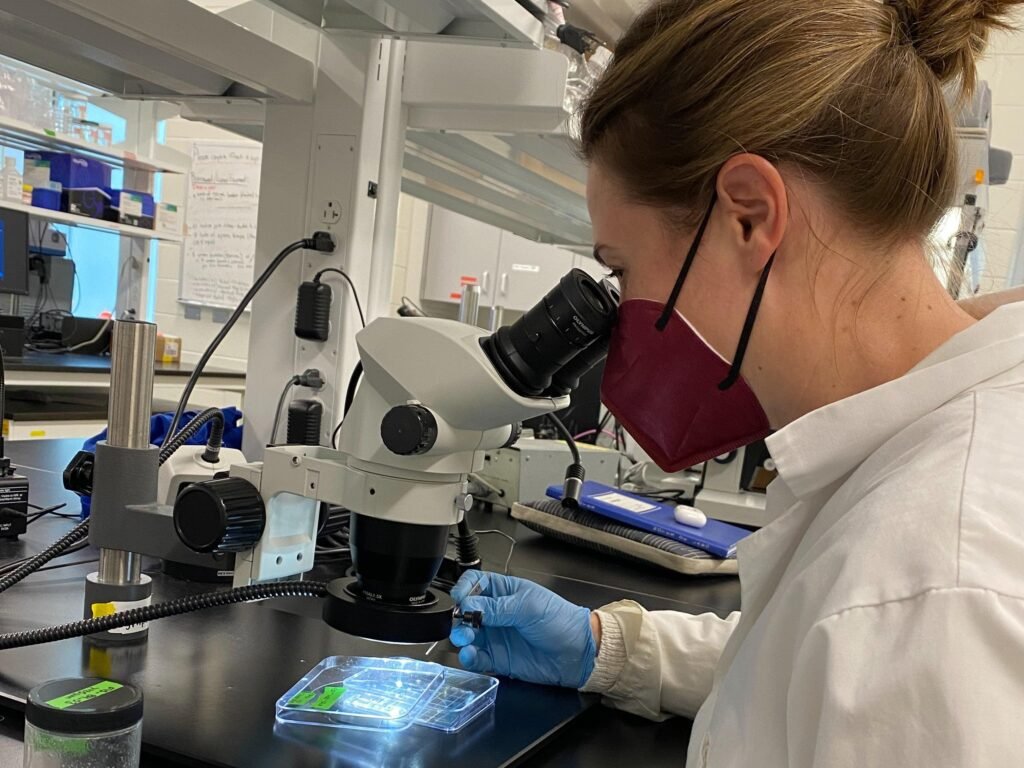
Scientists examining microplastic particles in a laboratory sample

How Scientists Track Microplastics That Are Too Small to See

Plastic pollution is no longer limited to bottles, bags, and packaging floating in rivers or washing up on beaches. Much of it breaks into particles so small that they cannot be seen with the naked eye. These tiny fragments, known as microplastics and nanoplastics, have become an important subject of scientific research because they can

How Scientists Track Microplastics That Are Too Small to See Read More »

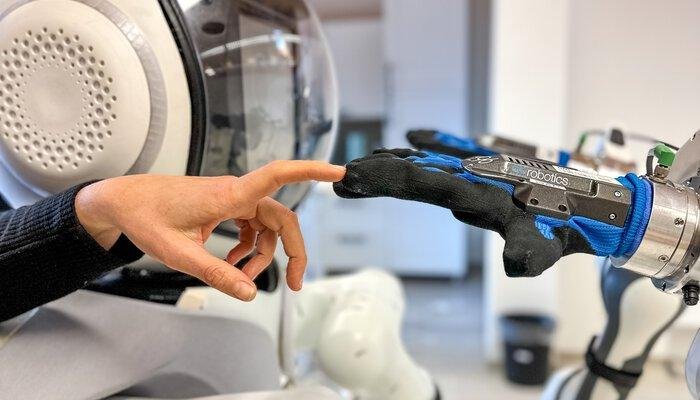
Robot learning from human mistakes using artificial intelligence

Can Robots Learn From Human Mistakes Instead of Repeating Them?

Imagine a robot working on a factory floor. It picks up a fragile component, applies too much pressure, and damages it. A traditional system might repeat the same action the next time it encounters a similar situation unless someone changes its instructions. But what if the robot could recognize what went wrong, learn from the

Can Robots Learn From Human Mistakes Instead of Repeating Them? Read More »

Scientists monitoring climate data from Earth-observing satellites

Scientists Fear Climate Data Gap as Trump Aims at Satellites

Satellites have quietly become some of the most important tools in modern climate science. From hundreds of kilometers above Earth, they help scientists track changes in oceans, ice sheets, clouds, atmospheric gases, land surfaces, and temperatures. Much of what researchers know about the planet’s changing climate depends on these observations being collected continuously over many

Scientists Fear Climate Data Gap as Trump Aims at Satellites Read More »

Jupiter photographed by NASA spacecraft showing its colorful cloud bands and massive storms

Photos of Jupiter From NASA Spacecraft, Both Near and Far

Jupiter is easy to recognize in the night sky, but seeing it through a spacecraft camera is a completely different experience. From far away, the planet looks like a bright, striped sphere floating in the darkness. Get closer, however, and those familiar stripes turn into enormous clouds, swirling storms, and constantly changing patterns. NASA spacecraft

Photos of Jupiter From NASA Spacecraft, Both Near and Far Read More »

Hans Dehmelt, Nobel Prize-winning physicist who pioneered single-electron trapping

Hans Dehmelt, Nobel Laureate for Isolating Electrons, Dies at 94

What would it take to study a single electron? It sounds like a straightforward question, but for physicists, isolating one of the smallest known particles and observing its behavior is an extraordinary experimental challenge. Electrons are incredibly small, electrically charged and constantly influenced by their surroundings. For much of modern scientific history, researchers had to

Hans Dehmelt, Nobel Laureate for Isolating Electrons, Dies at 94 Read More »