October 2026

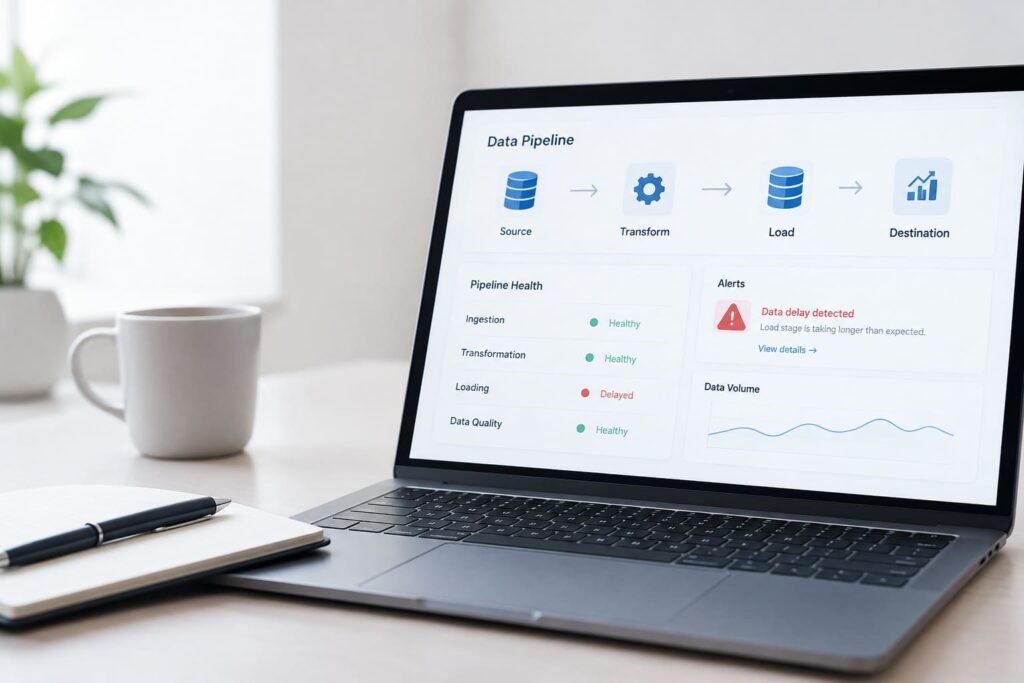
Data observability dashboard on a laptop showing data pipeline health and delayed data alerts.

Data Observability: How to Detect Hidden Problems in Data Pipelines

Modern businesses depend on data to understand customers, measure performance, forecast demand, and make important decisions. Behind every report, analytics dashboard, and automated process, data pipelines collect information from different sources, transform it, and deliver it to the systems that need it. However, a pipeline can complete successfully while still delivering incomplete, outdated, or inaccurate

Data Observability: How to Detect Hidden Problems in Data Pipelines Read More »
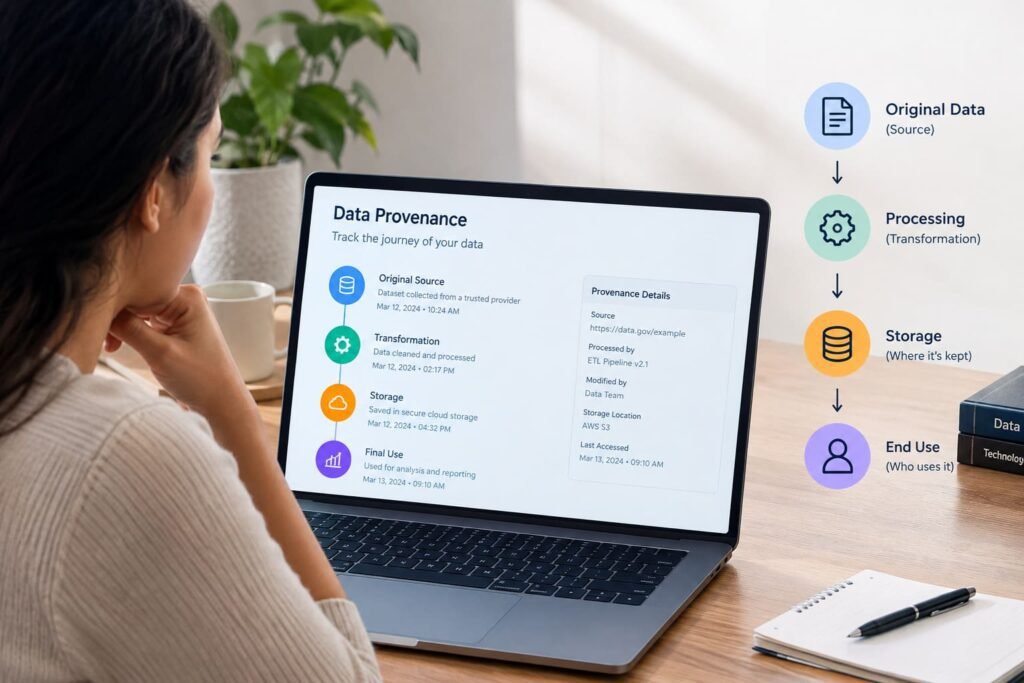
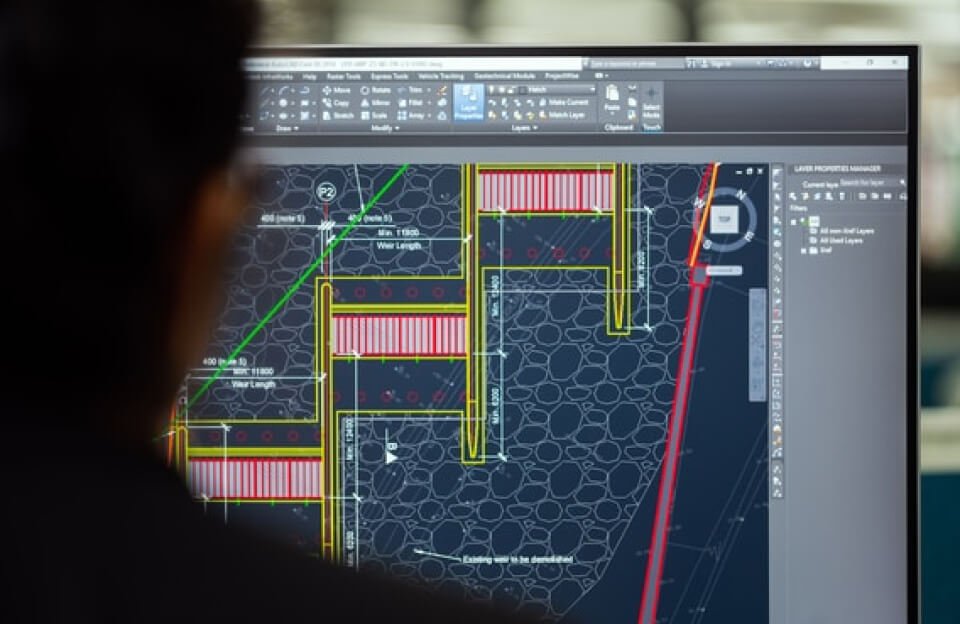
Data analyst tracking data provenance and tracing information sources through connected databases

Data Provenance: How to Track Where Information Comes From

Every day, organizations collect information from websites, applications, customer databases, sensors, surveys, and many other sources. But collecting data is only one part of the process. To trust that information, people also need to understand where it came from, how it changed, and how it reached its current destination. This is where data provenance becomes

Data Provenance: How to Track Where Information Comes From Read More »

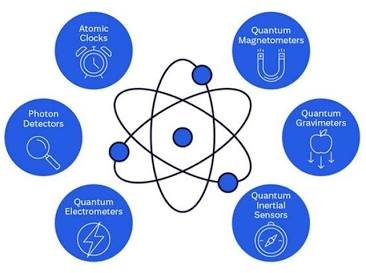
Quantum sensors detecting tiny changes in magnetic fields and other physical measurements

How Quantum Sensors Could Detect Changes Invisible to Ordinary Instruments

Many important changes in our world happen on a scale that ordinary instruments struggle to measure. A magnetic field may shift slightly, a material may experience a tiny structural change, or a faint signal may travel through space without being detected by conventional equipment. These changes might appear insignificant, but they can provide valuable information

How Quantum Sensors Could Detect Changes Invisible to Ordinary Instruments Read More »

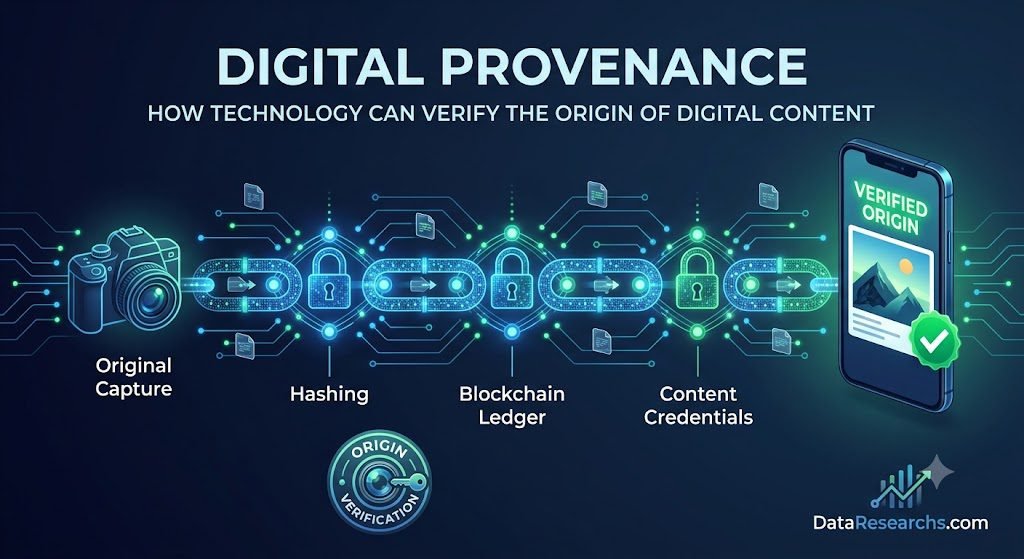
Digital provenance technology verifying the origin and authenticity of digital content

Digital Provenance: How Technology Can Verify the Origin of Digital Content

Every day, people share thousands of photos, videos, documents, and articles across the internet. Some are genuine, while others may be edited, taken out of context, or created using artificial intelligence. As digital content becomes easier to produce and modify, identifying where information originally came from is becoming increasingly important. This is where digital provenance

Digital Provenance: How Technology Can Verify the Origin of Digital Content Read More »

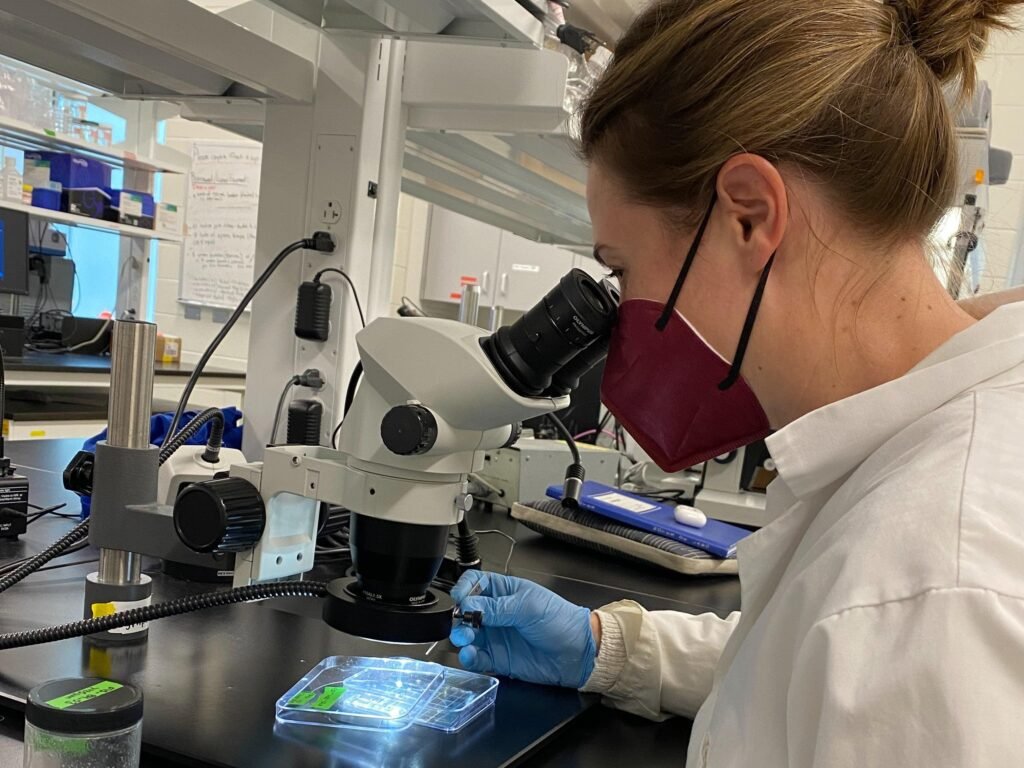
Scientists examining microplastic particles in a laboratory sample

How Scientists Track Microplastics That Are Too Small to See

Plastic pollution is no longer limited to bottles, bags, and packaging floating in rivers or washing up on beaches. Much of it breaks into particles so small that they cannot be seen with the naked eye. These tiny fragments, known as microplastics and nanoplastics, have become an important subject of scientific research because they can

How Scientists Track Microplastics That Are Too Small to See Read More »

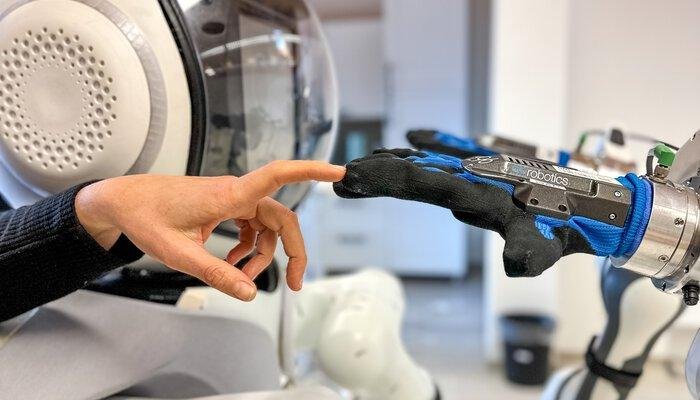
Robot learning from human mistakes using artificial intelligence

Can Robots Learn From Human Mistakes Instead of Repeating Them?

Imagine a robot working on a factory floor. It picks up a fragile component, applies too much pressure, and damages it. A traditional system might repeat the same action the next time it encounters a similar situation unless someone changes its instructions. But what if the robot could recognize what went wrong, learn from the

Can Robots Learn From Human Mistakes Instead of Repeating Them? Read More »

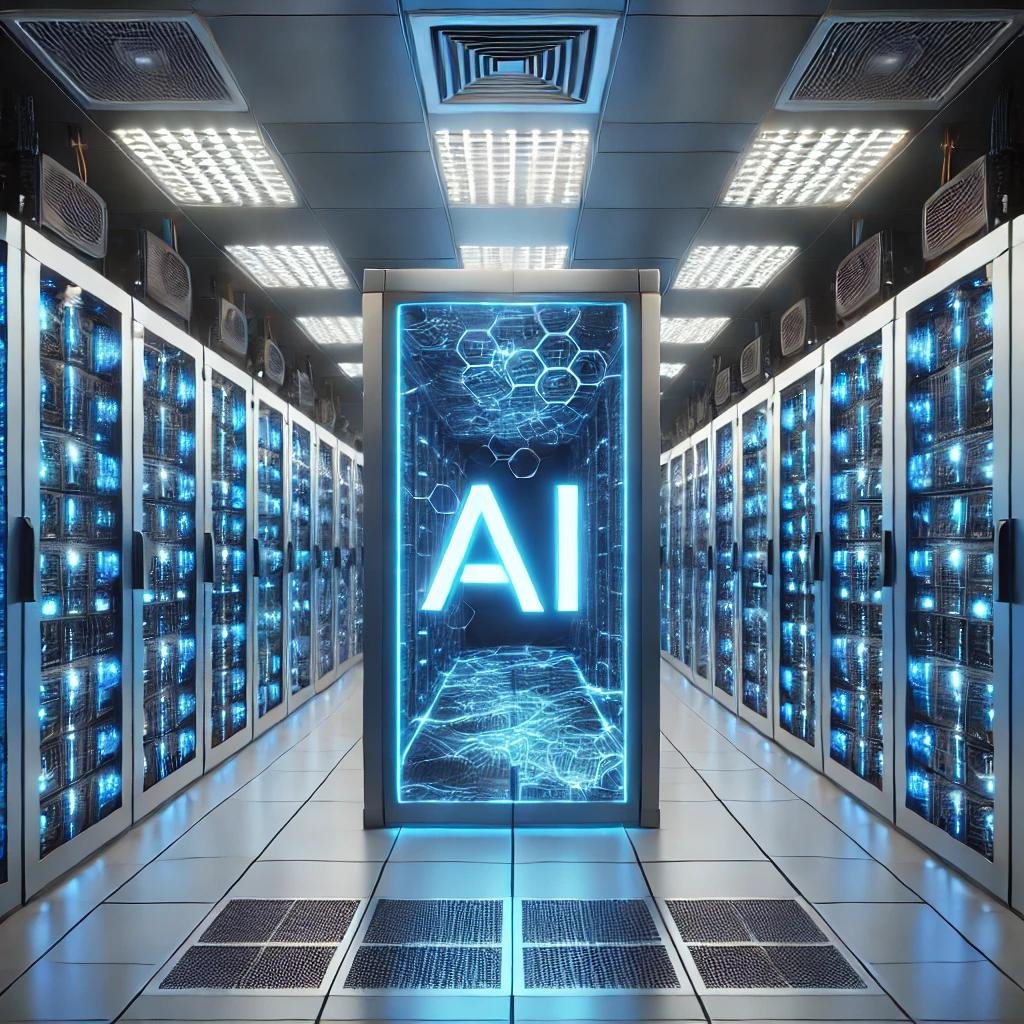
Environmental impact of AI data centers, including energy consumption and water usage

The Hidden Environmental Cost of Every AI Question

Artificial intelligence has become a natural part of everyday life. People use AI to write emails, summarize reports, solve problems, generate images, research topics, and learn new skills. Asking an AI assistant a question may feel like a simple digital activity, but behind every response is a network of computers, data centers, cooling systems, and

The Hidden Environmental Cost of Every AI Question Read More »

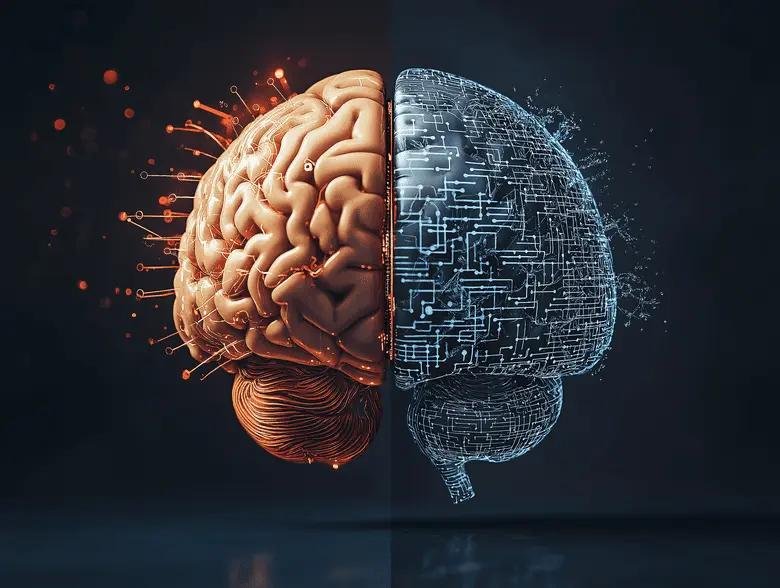
Digital twin of the human brain showing neural connections and brain activity

Can Scientists Build a Digital Twin of the Human Brain?

Imagine being able to create a virtual version of your brain that scientists could study on a computer. Researchers might use this model to understand how brain networks work, explore neurological conditions, and investigate potential treatments without relying entirely on experiments involving real people. This idea is known as a digital twin of the human

Can Scientists Build a Digital Twin of the Human Brain? Read More »